


 Français
A Pivotal AI Evening in Suresnes: Digital Sovereignty, Technological Dependence and the Open‑Source Bet
Last night, the Interclubs Business Meetings of the Hauts‑de‑Seine and South‑West Île‑de‑France took place amidst the buzz surrounding the topic that concerns every company: artificial intelligence. The second edition of this event, organized by the Suresnes Business Club, the City of Suresnes, the Hauts‑de‑Seine Chamber of Commerce and Industry, Les Entrepreneurs Hauts‑de‑Seine, the Hauts‑de‑Seine MEDEF and all the 92 business clubs, brought together a panel of top‑level speakers for a round‑table moderated by Laurent Moisson.
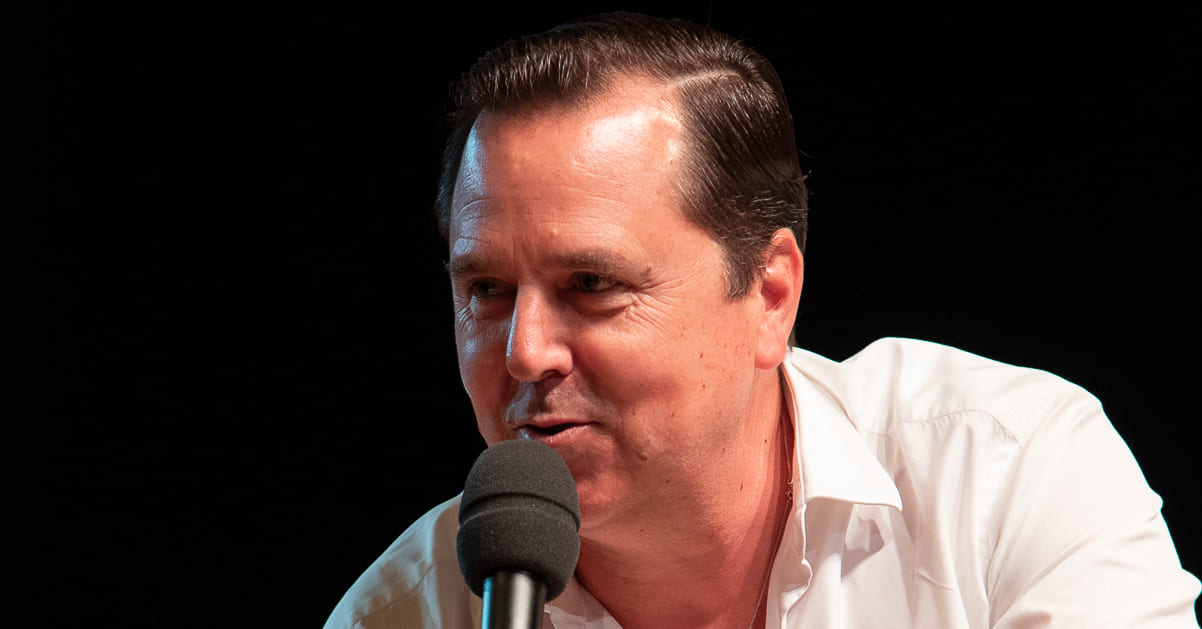
Among them, Alexandre Zapolsky, p'ésident and founder of LINAGORA, shared the alarming observation that opened the debate:
« €56 billion per year. It is the second commercial deficit of our country after the energy deficit. »
This figure served as the anchor point to discuss the loss of economic sovereignty linked to dependence on foreign tech giants.
A Bold Stage: LINAGORA versus Microsoft France Face‑to‑Face
The panel also included Edouard Beaucourt (Pigment), Gilles ATTAF (Certification Origine France Garantie), Pierre Lagarde (Microsoft) and Guilhem Blanchard (Hauts‑de‑Seine Department). Bringing together the French open‑source champion LINAGORA and the American giant Microsoft France to talk about trustworthy AI and digital sovereignty in Europe was already a daring gamble, and the debate was anything but dull.
Alexandre Zapolsky especially recalled a Senate hearing that featured the legal director of Microsoft France. The question that made participants sit up was:
« Under oath, can you say that if the U.S. jurisdiction asks you to share data, you will not do it?»
The answer, eagerly awaited by all, was far from reassuring. Pierre Lagarde then invited the audience to listen again to the full exchange, now available on video, in order to grasp all the nuances of Microsoft’s position.
Extraterritorial Laws: A Real Threat
« What was until now considered a risk, a threat, in the Trump era, we have seen can become a concrete reality.»
Zapolsky illustrated this point with the case of Judge Guillou, a magistrate at the International Criminal Court. A decision taken in the United States could, overnight, cut off essential digital services: bank accounts, work tools, everyday services… even Netflix.
This situation raises a fundamental question: How can we avoid depending on solutions we do not fully control?
Open‑Source as the Answer: Twake.ai
For the entrepreneur, the answer lies in developing sovereign solutions that are audited and locally controlled. That is precisely the model promoted by Twake.ai, the open‑source collaborative platform of LINAGORA. The company’s president reminded that the service is free and open up to 5 GB, thereby offering organisations a reliable alternative to proprietary tools.
« So why not give it a try? You have nothing to lose by clicking… On the contrary, your click can change a lot. »
Participants were encouraged to test the solution and to watch the full recording of the round‑table.
A New School Year Marked by Digital Sovereignty
The evening ended on an optimistic note: “Happy back‑to‑school to everyone. Back to school and more ready than ever.” A huge thank‑you to Laurent Moisson for his incisive moderation and to all the partners who made this crucial debate for France’s digital future possible..
By bringing together experts from the private sector, the public sector and civil society, this meeting clearly demonstrated that digital sovereignty is no longer an optional choice but an imperative necessity.

